
What Could Possibly Go Wrong?

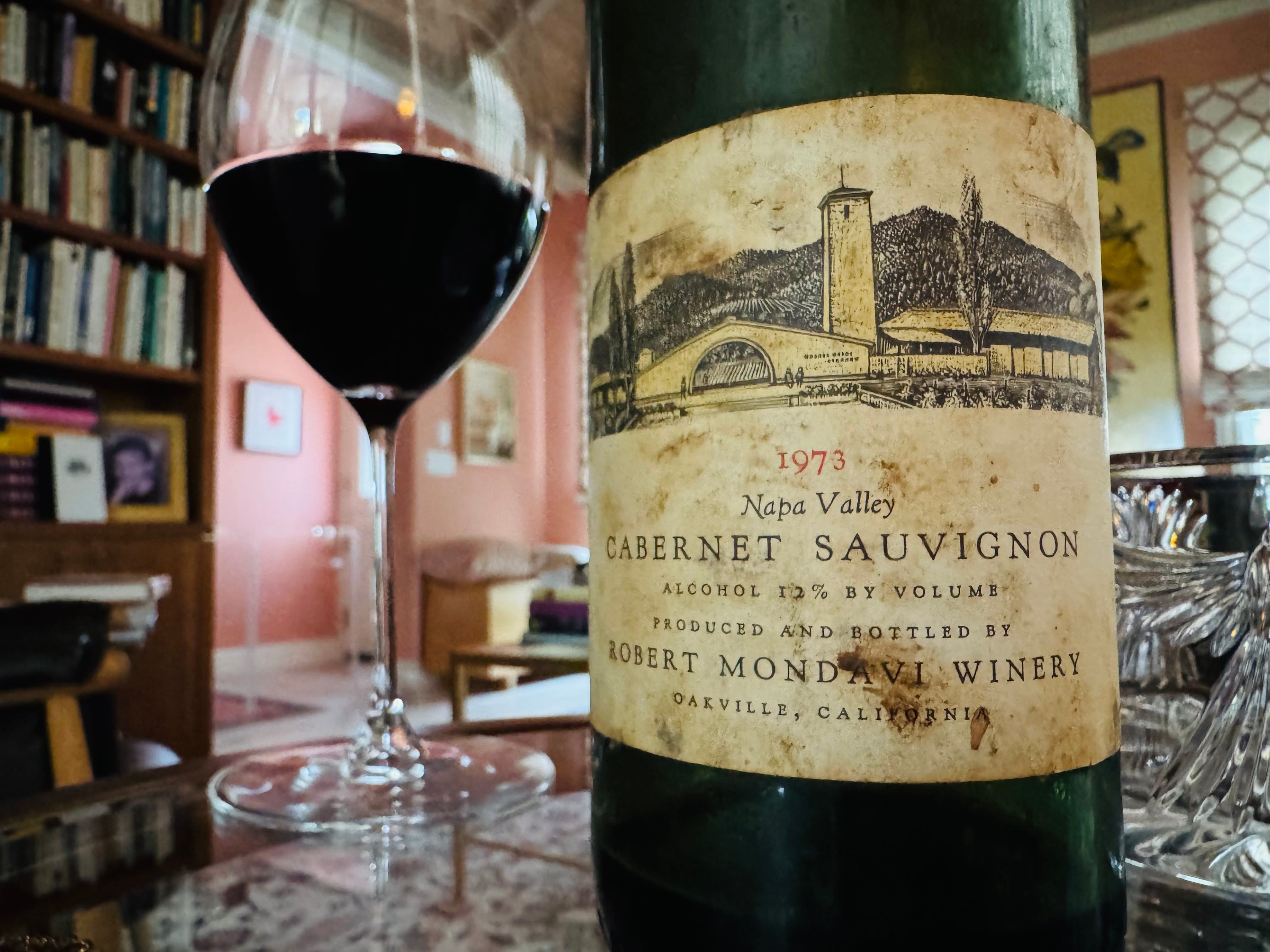
I had one of the best wines of my life last night.
You know when this happens to you because you’re momentarily spellbound. Helplessly caught up in the wine’s aura. The wine is drinking you. You aren’t drinking it.
I was with Michael Mondavi. In a steakhouse. The wine was 53 years old. Michael had brought it from his cellar: a bottle of the 1973 Robert Mondavi Cabernet Sauvignon.
There was no warning label on the bottle about pregnancy or operating heavy machinery. Mandatory warning labels from the government hadn’t been invented yet. But there should have been a warning: a warning about the descent into pleasure and the tender richness of age (the wine’s, and one’s own).
***
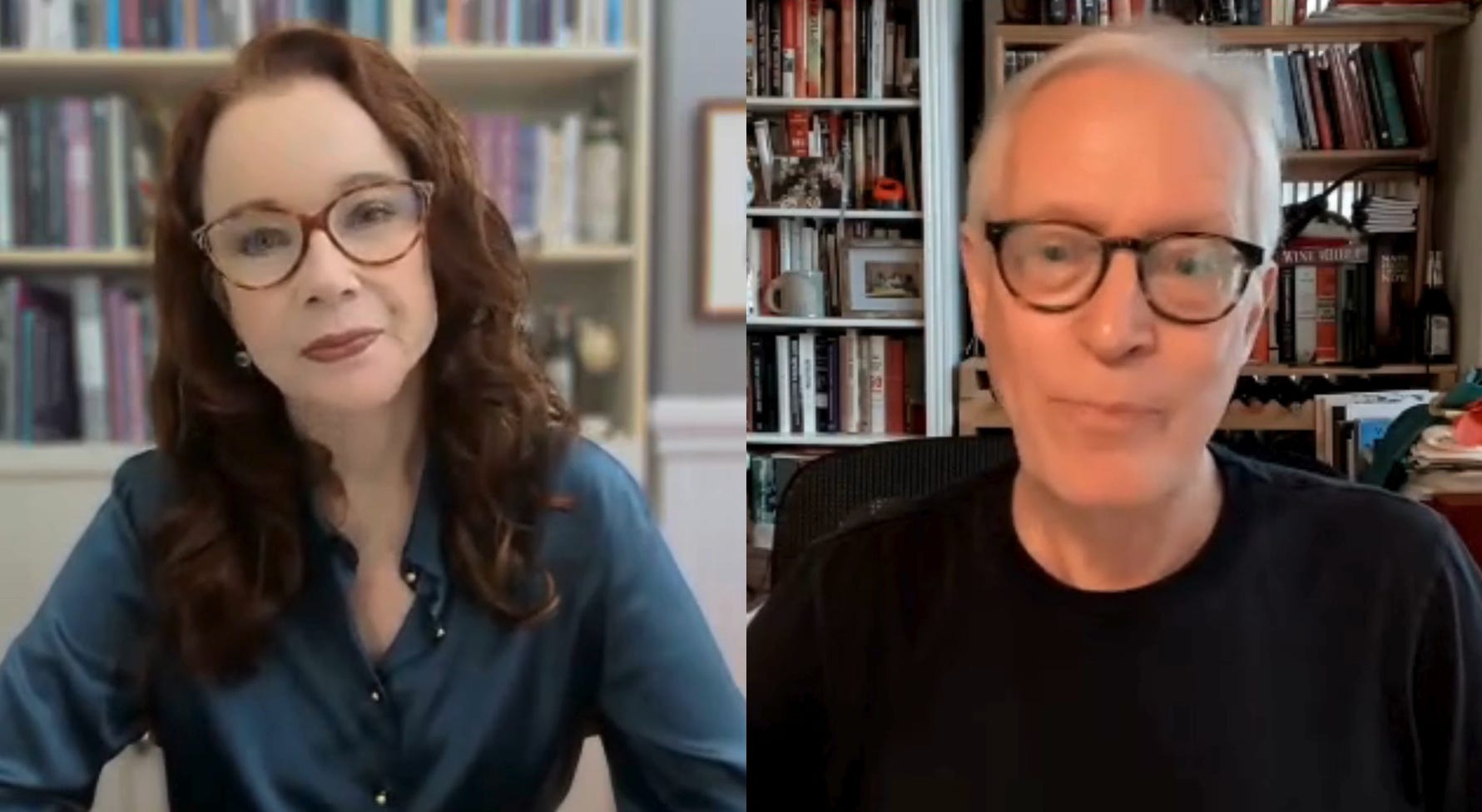
I recently interviewed Eric Asimov, who has been the wine critic for The New York Times for 22 years. I’ve known Eric all that time, and I greatly admire his “wine mind.” His pieces are often thought-provoking, but his recent article “Have We Forgotten Wine’s Place at the Table?” was especially powerful. In it, he makes the case that we may have, and that the culture of wine and food in America will be the worse for it.
Our conversation ranged widely, from restaurant wine prices to the dangers of putting wine on a pedestal, to wine’s disengagement from food. If you’d like to see my video interview with Eric Asimov, it will be in this week’s WineSpeed.
***
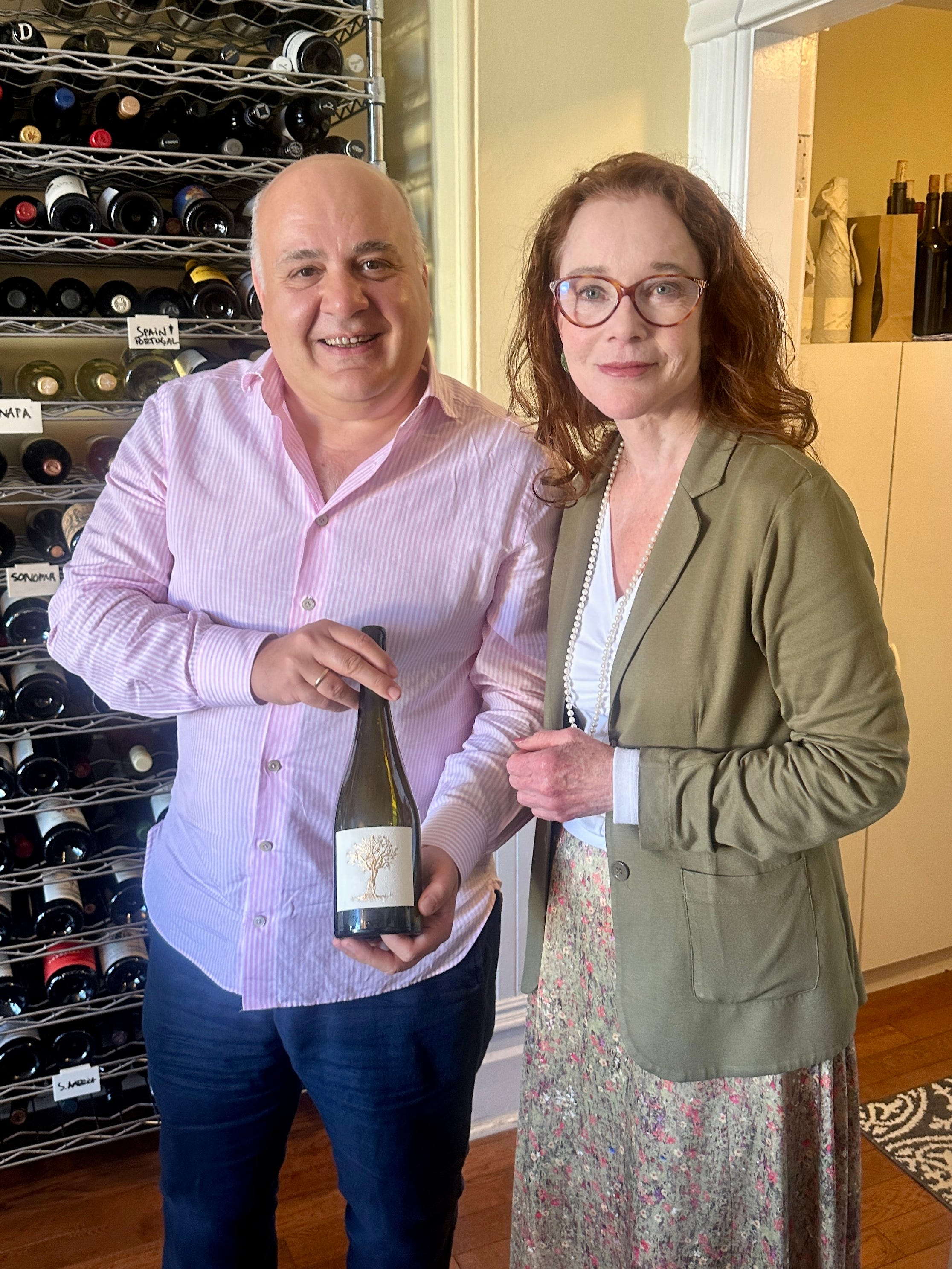
Twice in my career, a man from Georgia (the country) has walked into my office and changed the way I think about the world of wine.
The first time was about 20 years ago and the man, a winemaker, was an Eastern Orthodox monk from an eleventh century monastery. The second time was two weeks ago and the man, a winery owner, was Irakli Gilauri, not a monk, but a person with a near religious fervor to prove how good Georgian wine can be.
Not wines made in qvevri (clay vessels buried underground) for which Georgia is famous. But rather, what Gilauri called “terroir wine”—high quality wines of a given great piece of ground. And in this case, the great piece of ground happened to be in wine’s ancient ancestral homeland, Georgia, a mountainous isthmus in the Trans Caucasuses, where grapevines are thought to have originated tens of thousands of years ago.
Gilauri is not a man easily dissuaded. He poured three red wines blind. The one I liked best turned out to be Chateau Mouton Rothschild 2021. The one I liked second best was the Gilauri “Resistance” Saperavi 2024. The one that came in third in our mini blind tasting was Opus One 2022.
Although each wine had its merits, Gilauri proved his point. And now I can’t wait to taste more Saperavis. The variety is one of the most ancient in the world, a red variety that, far back in the genetic tree, “fathered” dozens of varieties we know today.
***
Finally, at the end of July, at SommCamp, I am giving a masterclass on Napa Valley Sauvignon Blanc to thirty (very accomplished, knowledgeable, and important) sommeliers from all over the country. What could possibly go wrong?
Luckily, the wines themselves will shine brightly.
***
If I can sign and personalize a Wine Bible (third edition) for you, or if you need a gift for a friend, let us know. Otherwise I’ll see you weekly in my digital newsletter WineSpeed.
—Karen
@Karen MacNeil glad to hear it! Ten years ago, I had a similar experience w a bottle of 1973 BV Georges, which was amazing! We should have decanted but were worried it was over the hill and wouldn’t last that long. I still have a few more bottles from the 70s w original provenance. Did you decant it? Any other recs for Napa cabs from the 70s? Cheers
Love your writings. One amazing thing about the Mondavi wine is that I seem to recall that 1973 was not a great year for Napa wines. Great wine makers produce great wine even in off years